Why Every Young Musician Should Learn to Listen Like a Musician
Most people hear music. Musicians listen differently. This difference is one of the most powerful skills a young musician can develop.
What Makes a Child Truly Musical?
Many parents wonder whether their child is “naturally musical.” This question is more complex than it seems.
Can Music Theory Help Young Songwriters?
Many parents worry that music theory might limit creativity. In reality, the opposite is true.
Five Everyday Ways Families Can Encourage Musical Growth Without Extra Practicing
Many parents assume that supporting music learning requires extra practice sessions at home. In reality, small daily interactions can be just as powerful.
Why Mistakes Are One of the Best Teachers in Music
Many children believe mistakes are something to avoid at all costs. In music, that belief can actually slow progress.
The Parent’s Guide to Understanding Music Exam Levels
If your child is taking music lessons, you may have heard terms like Grade 1, Grade 3, or Grade 5 theory. For many parents, these levels feel unclear or even intimidating. The good news is…
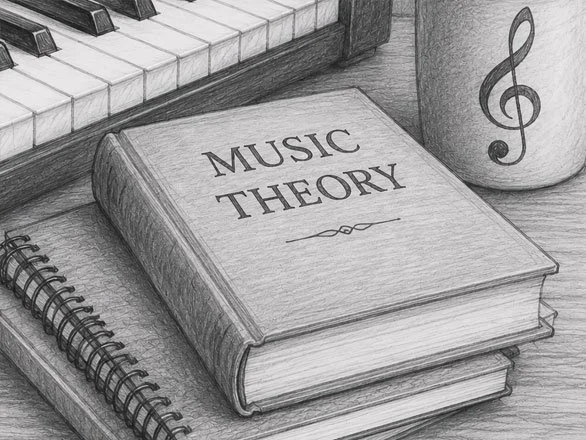
How Music Theory Helps Students Learn Multiple Instruments
Some children naturally become curious about multiple instruments. They may start with piano, then try guitar, violin, or voice.
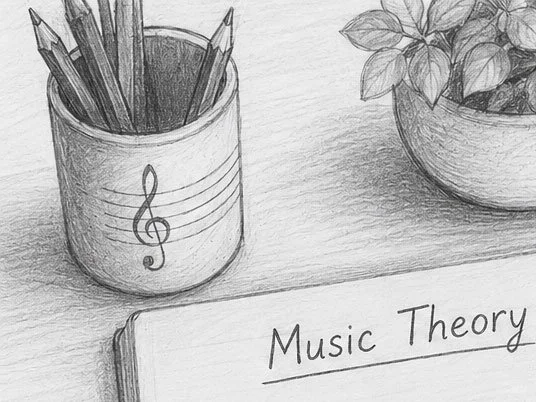
What Happens During a Great Music Theory Class?
Many parents imagine music theory as worksheets, memorization, or dry explanations. In a well-designed class, it looks very different.
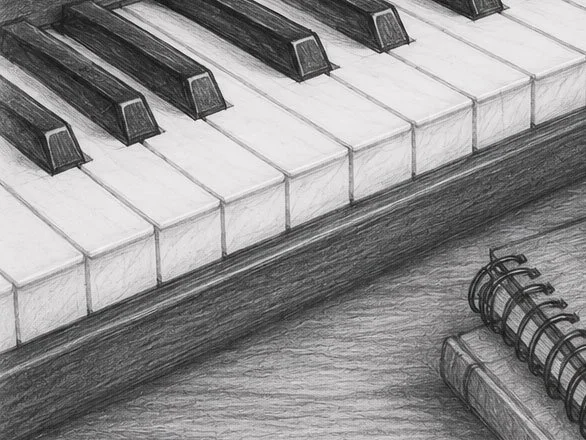
Why Counting Matters More Than Playing Fast
Many young musicians are eager to play fast. Speed feels exciting and impressive. But in music education, speed is never the foundation — rhythm is.
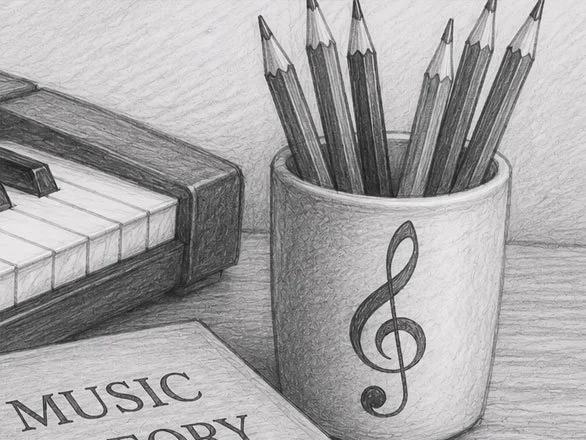
Why Some Students Plateau…
… and How Theory Helps Them Break Through. At some point, many young musicians reach a stage where progress seems to slow down.
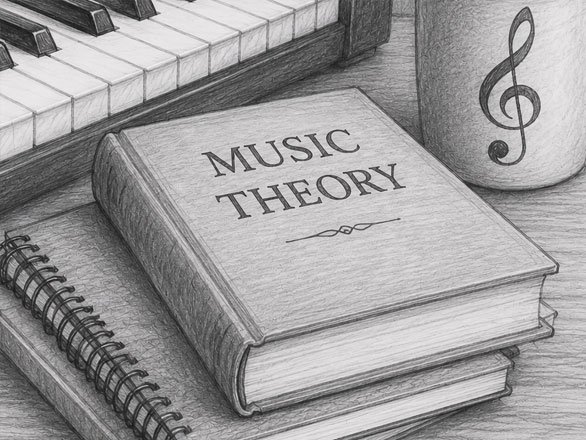
How Music Theory Helps Children Become Better Ensemble Players
Playing music in a group is one of the most rewarding experiences for young musicians — but it is also one of the most demanding.
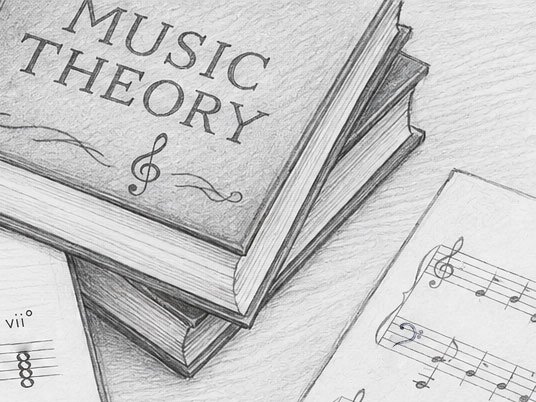
Why Music Theory Is the Missing Subject in Many Private Lessons
Many children take private instrumental lessons for years without ever fully learning music theory. As a result, they can play music — but they don’t always understand it.
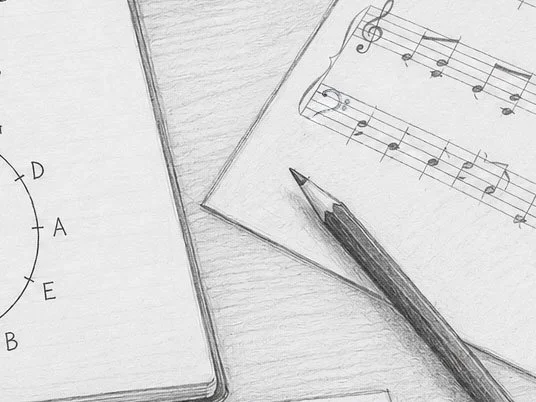
How Online Music Theory Classes Keep Kids More Engaged Than You Might Expect
Many parents assume online learning is passive or distracting for children. Well-designed music theory classes prove the opposite.
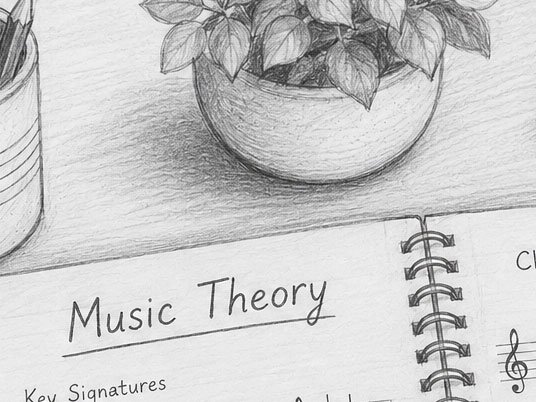
The Science Behind Why Music Strengthens the Brain
Music is not only an art form — it is a structured cognitive activity that engages multiple areas of the brain at the same time.
Does My Child Need Perfect Pitch? (Spoiler: No!)
Many parents hear about “perfect pitch” and assume it is a sign of exceptional musical ability. It is not.
Why Learning Music Theory Before High School…
… Gives Students a Huge Advantage. Parents often notice a shift around the start of high school music programs: expectations rise quickly, pieces become more complex, and students are expected to learn faster with less guidance.
The Hidden Skill That Helps Young Musicians Learn Faster…
… and Perform Better. When parents see their child practicing every day, they naturally expect steady progress. But what often separates students who improve quickly from those who struggle isn't talent, it's understanding.
The Secret Advantage of Music Theory Isn't Better Grades…
… It's Lifelong Independence. One of the greatest gifts music theory offers isn't found on a report card.